

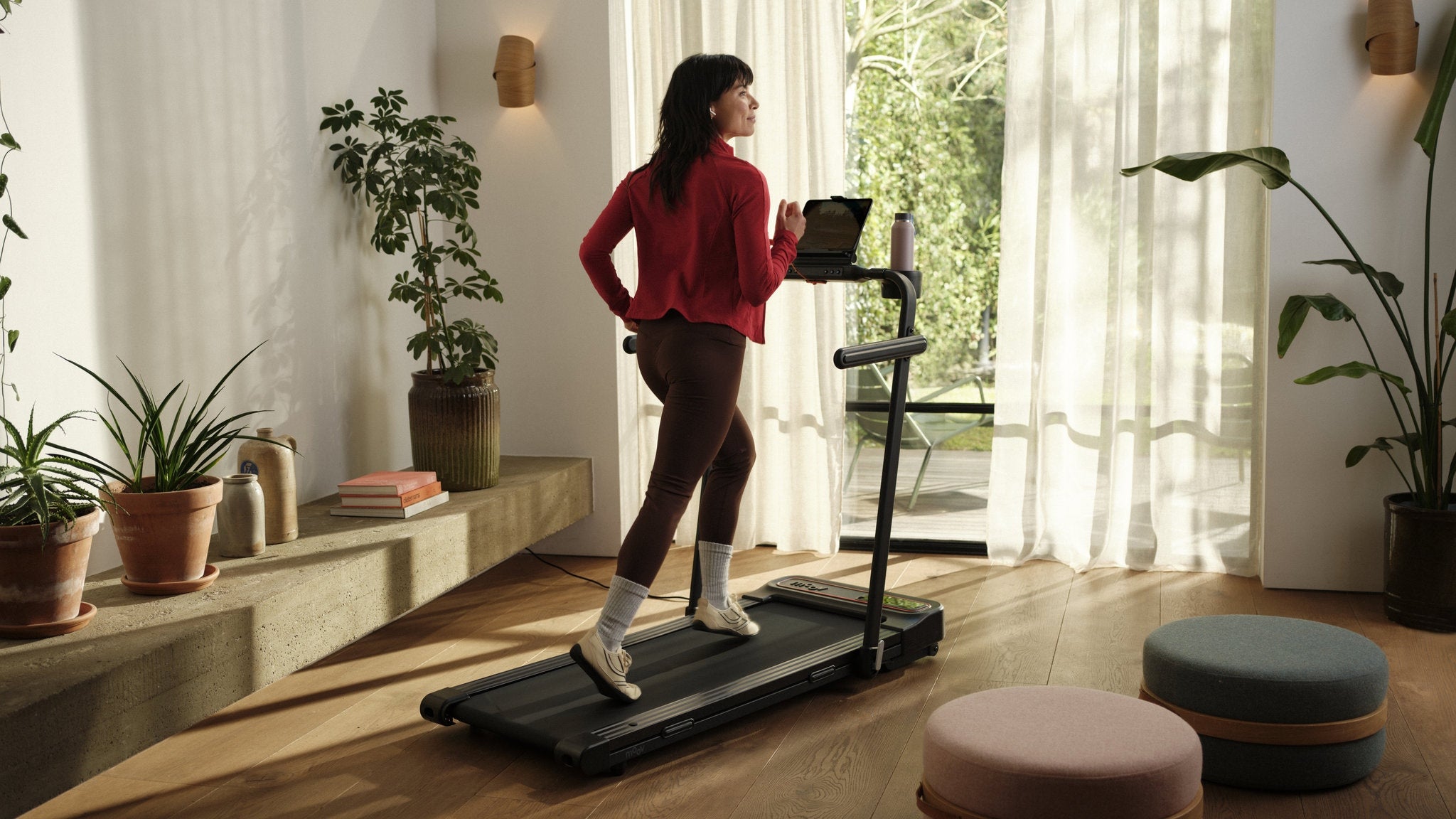
You may want to walk during work, build towards running or keep movement close on days when going outside does not fit. A treadmill can support all three, but the right choice starts with how you plan to use it. Not with the longest specification list.
In short
When choosing a home treadmill, look at use, available space, speed, running surface, incline, support, controls and maintenance. A feature is useful only when it makes your real routine easier.
Look at these technical features
A treadmill is more than a moving belt, but not every specification deserves equal weight. Begin with the movement you want to repeat.
Speed, incline and programmes
For walking and light jogging, a model up to 8 km/h can be enough. For running, look for a model designed for the longer stride that comes with higher speed. Automatic incline adds effort and variation without requiring you to move faster. Programmes can help when you prefer a ready-made structure.
Cushioning
Each step creates load. Shock absorption can make walking and running feel more comfortable, but it does not remove all impact or prevent injury. Build gradually, wear suitable shoes and choose a pace you can control.
Handrails and side supports
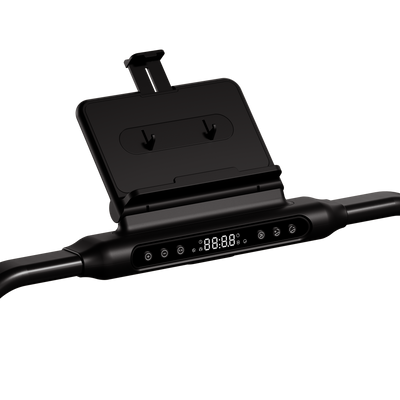
Support can be useful when stepping on, changing settings or finding your balance. It should not become something you lean on for the whole session. Check how the supports fold and whether the controls stay easy to reach.
The running surface
The surface needs to match the movement. Moov Walk models use 100 × 40 cm for walking and light jogging. Moov Run models use 120 × 44 cm, giving a running stride more room. Larger is not automatically better. It needs to fit both your movement and your home.
Storage
A treadmill that is easy to reach is more likely to be used. Look at folded height, wheel direction and where the power cable sits. A foldable treadmill can slide beneath suitable furniture or stand out of the way between sessions, depending on the model and your space.
Warranty and motor
A brushless motor is designed for smooth, quiet operation and lower maintenance. Check the official warranty terms before buying and keep proof of purchase. Current Moov treadmills include a standard two-year warranty; the live support information remains the source to check.
Weight and size
A heavier treadmill may feel more stable, but it can also be harder to move. Measure the use area, storage space, doorway and route through your home. Check the maximum user weight as well; current Moov models support up to 120 kg.
Extras and accessories
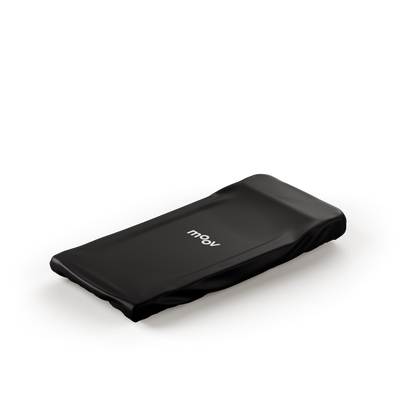
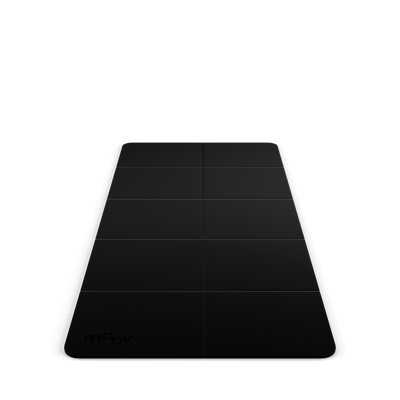
A tablet holder, cup holder or protective mat can make daily use more practical. Choose accessories for the way you move and the room you use, rather than adding everything by default.
Cleaning and maintenance
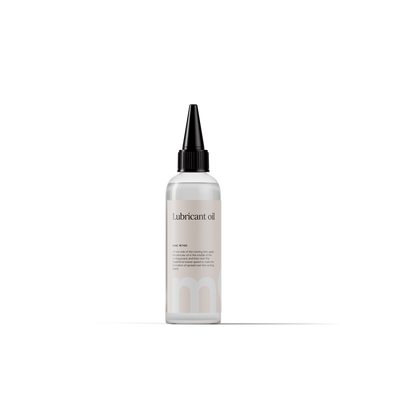
Keep the running surface clean, check the belt alignment and follow the manual for lubrication. Do not use a fixed maintenance interval copied from another machine; usage and model instructions matter.
- Use the specified lubrication oil and follow the instructions for your model.
- Check belt tension and alignment when the manual recommends it or when the belt behaves differently.
- Keep dust away from ventilation openings and unplug the treadmill before maintenance.
How do you want to use the treadmill?
Ask yourself a few practical questions:
- Will I mainly walk, light jog or run?
- Do I want to move during work, complete planned sessions or both?
- Would automatic incline add useful variation?
- Where will the treadmill stay between sessions?
- How often will I need to move it?
These answers make it easier to see which treadmill fits your day. The Walk range is built around walking and light jogging. The Run range adds the speed and surface needed for running. Plus models add automatic incline.


