

Running is often linked to grit, a high heart rate and breathlessness. Slow running is the opposite: a method where you deliberately run slower than you can. Sustainable movement, less strain, more return over time. What is it, what does it do, and how do you start?
What exactly is slow running?
The method comes from research by Japanese professor Hiroaki Tanaka. He found your body trains more efficiently at what he called the "niko niko" pace. In Japanese, "niko niko" means smiling – a pace where you can still smile and talk without gasping for breath.
In practice that's roughly 6 to 8 km/h, right on the border between brisk walking and jogging. The goal isn't speed. It's movement you can sustain without wearing yourself out.
The benefits of shifting down a gear
Slow down to get better. It sounds counterintuitive, but it's the foundation of most marathon plans. Key benefits:
- Fewer injuries: low impact protects knees and ankles. Well suited to rehab too;
- Steady fat burn: at 60-70% of your max heart rate, your body learns to use fat as its main fuel;
- Mental calm: the relaxed rhythm lowers stress. A moment for yourself without racing the clock;
- Accessible: whether you're a beginner, recovering from injury, or older — slow running works for most people.
Slow running vs. faster running
Faster running focuses on speed and intensity. Slow running focuses on endurance and efficiency. Intense running puts more strain on muscles and tendons. Slow running builds your cardio without exhausting your body. It's a strong base to eventually go longer — and, if you want, faster.
Start slow running: 8-week plan
Want to try slow running? Use this plan to let your body adapt gradually. Three times a week, with a rest day between sessions.
|
Week |
Goal |
Movement (3x per week) |
Tempo/heart rate |
|
1-2 |
Find your rhythm |
A:2 min jog / 1 min walk (6x) B:repeat + 5 min walk C:2 min jog / 1 min walk (8x) |
4.0 – 4.5 km/h (60-65% max) |
|
3-4 |
Build up duration |
A:5 min jog / 1 min walk (4x) B:10 min jog / 2 min walk (2x) C:20 min continuous slow jog |
4.5 – 5.0 km/h (60-70% max) |
|
5-6 |
Stability |
A:15 min jog / 2 min walk / 10 min jog B:20 min continuous slow jog C:6 min jog / 1 min walk (4x) |
5.0 – 5.5 km/h (65-70% max) |
|
7-8 |
Stick with it |
A:25 min jog + 5 min walk B:30 min slow jog without breaks C:15 min walk + 15 min slow jog |
6.0 – 7.0 km/h (65-70% max) |
Tips for proper slow running technique
Technique matters even at a low pace:
- Posture: stand tall with relaxed shoulders;
- Step frequency: take short steps and land lightly on your feet;
- Breathing: breathe in gently through your nose and out through your mouth;
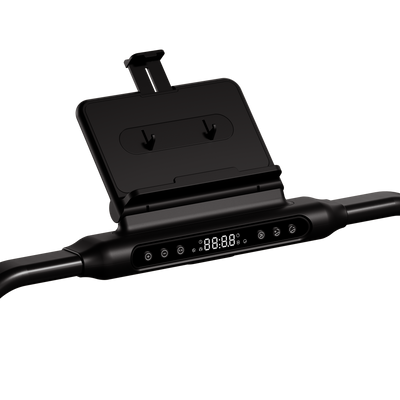
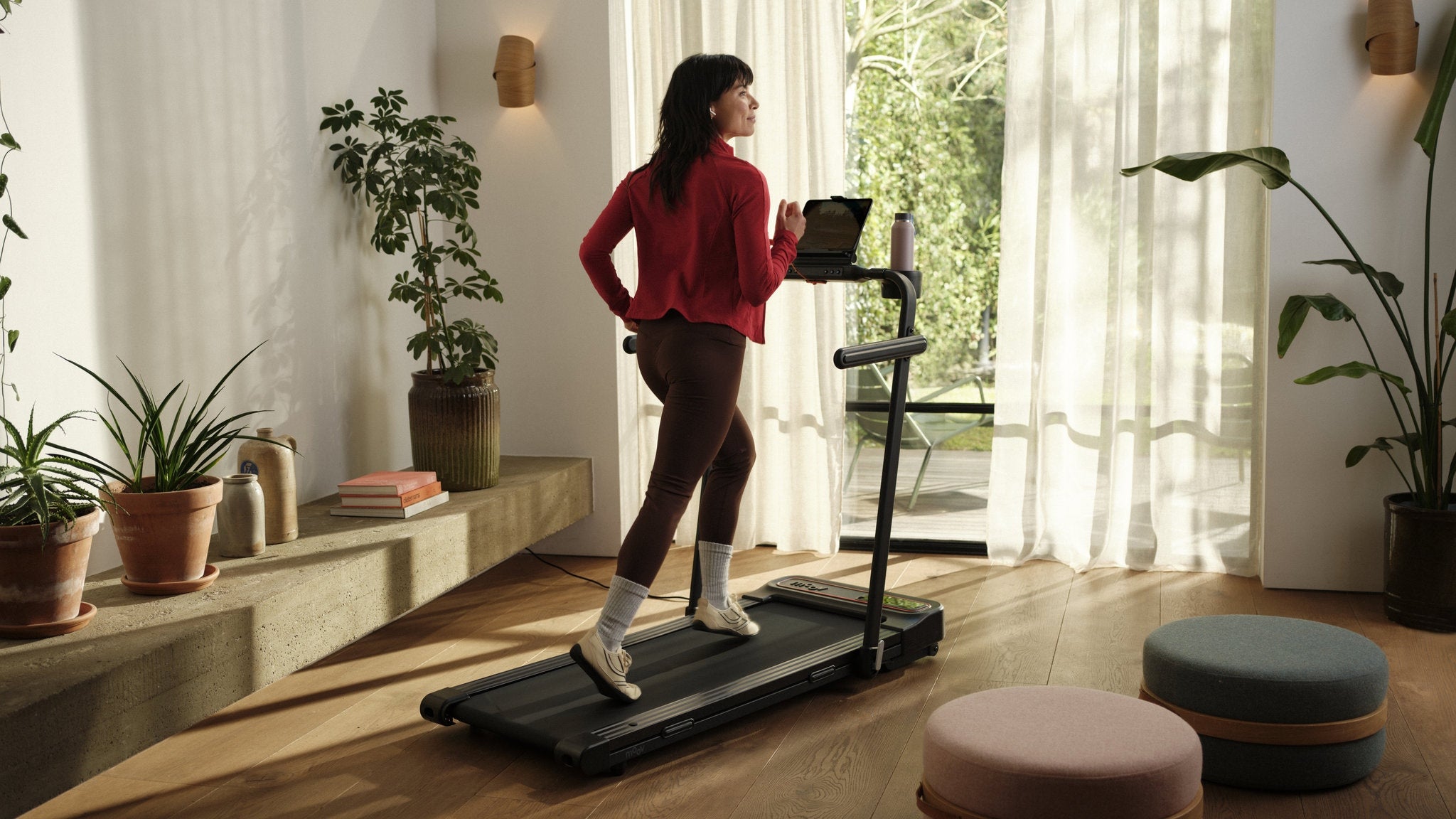
- Treadmill: use a treadmill to keep your pace steady. Outside you often speed up without noticing, but a treadmill keeps your speed consistent.
The best treadmill for slow running
Every Moov can be your slow-running companion. All our models have the features to keep your "niko niko" pace — that smiling pace — steady. Want a treadmill that grows with you? The Moov Run and Moov Run Plus let you slow run and move at higher speeds too. A good base if you're building toward longer distances, or even a marathon.


