



Fifteen kilometres starts with the distance you can comfortably run today. This running plan helps you build from there, with two or three sessions a week and room for recovery.
In short
- Start with an existing running base, rather than from zero.
- Choose two or three running sessions that fit into your week.
- Keep most kilometres easy and plan recovery days.
- Treat the plans as examples: repeat a week whenever you need to.
What matters in a 15 km training plan?
A useful training plan starts with what you can already manage. Can you comfortably run 7 km and recover well from two weekly sessions? Then you could consider the progression below. If 5 km still feels hard, work on that base first.
Easy means you can speak in full sentences while running. You do not need to hold a fixed speed. A busy working week, heat or little sleep can make the same pace feel harder. Reduce the load when that happens.
For example, plan Tuesday and Sunday, or Tuesday, Thursday and Sunday. Start each session with easy walking or jogging and wind down gradually. If pain persists or you are returning after an injury, agree your progression with a physiotherapist or sports doctor.
Running from 5 to 15 km
If you want to go from 5 to 15 km, you do not have to make the whole jump in one plan. First build towards a comfortable 7 to 10 km with the 10 km running plan. You can then make room for longer runs.
Increase distance first while keeping the pace easy. Do not add more speed and an extra running day at the same time. A lighter week helps you assess recovery before increasing again.
15 km running plan for beginners
Here, beginner means new to 15 km, but already used to running. This example lasts ten weeks. All distances are run at an easy pace; the third session is optional and is only added if three running sessions already feel familiar.
|
Week |
Short easy run |
Optional easy session |
Long easy run |
|
1 |
4 km |
20 min |
7 km |
|
2 |
4 km |
20 min |
8 km |
|
3 |
5 km |
20 min |
9 km |
|
4 |
4 km |
20 min |
7 km |
|
5 |
5 km |
25 min |
10 km |
|
6 |
5 km |
25 min |
11 km |
|
7 |
5 km |
25 min |
9 km |
|
8 |
4 km |
25 min |
13 km |
|
9 |
20 min |
Rest |
15 km, if recovered |
15 km running plan – twice a week
Use the short and long easy runs from the table. Two sessions leave space between runs. An extra hard interval workout is not a requirement for completing the distance.
Have you been running 10 km comfortably for a while? You can occasionally include three slightly faster three-minute blocks in the short session, with two minutes of easy jogging between each. Leave these faster efforts out when you are tired.
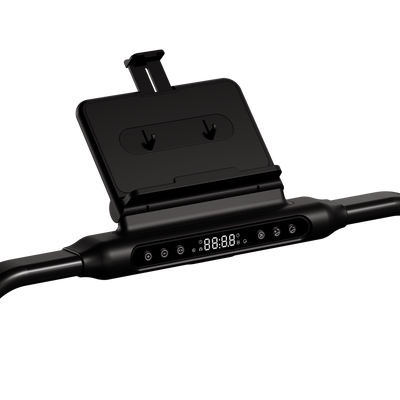
Training at home can help when travel time gets in the way of a run. The Moov Run is designed for walking, jogging and running. Check that its speed, running space and operating duration suit your session.
15 km running plan – three times a week
Include the optional easy session as your third run. This spreads movement across the week. Keep this session deliberately short; training three times does not mean every session has to ask more of you.
For experienced runners, the extra session can also make room to alternate one short run with controlled tempo intervals. The long run stays easy. If you want to add incline, explore treadmills with incline and replace another training stimulus rather than stacking everything together.
Tips for successfully training up to 15 km
- Choose a route you can shorten along the way.
- Practise drinking and eating during longer sessions; do not try anything new on the day of your run.
- Plan strength training around recovery, for example exercises for your calves, hips and core.
- Explore foldable treadmills if your training space needs to become living space again afterwards.
- Check suitable treadmill accessories and follow the maintenance instructions.
Outside your plan, you can walk gently when it feels comfortable. With under-desk treadmills, that may fit into your working day. These steps add to your overall load and do not automatically replace rest.


