



A half marathon takes time to build towards. With a suitable running base and twelve manageable weeks, you make room in your schedule for long runs, shorter sessions and recovery.
In short
- The beginner version is for runners who already train regularly and can run 10 km comfortably.
- Use twelve weeks as an example, not a fixed deadline.
- Keep most sessions easy.
- Allow extra time for fatigue, illness or symptoms.
Why use a half marathon training plan?
A distance of 21.1 km requires different preparation from a short run. A plan spreads the load and shows when longer sessions fit into your week. The days around them deserve attention too.
The aim is to keep preparation manageable. You do not need to approach your final distance in every session.
The benefits of a good plan
A good plan provides structure for distance, variety and recovery. You see how shorter sessions contribute to the longer run and when to deliberately ease back.
Briefly note how each session went. If you regularly start tired, the plan needs to change. Repeating is then more useful than continuing at all costs.
How do you prepare?
Start from recent, regular training. The beginner version below assumes a comfortable 10 km and experience of running three times a week. Otherwise, continue building with the 10 km running plan first.
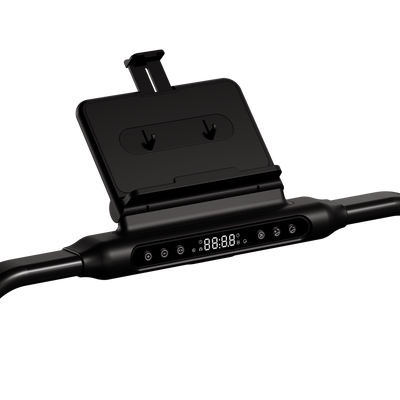
Use shoes you find comfortable and practise drinking and fuelling while running. Leave room for recovery, especially around longer sessions. A foldable treadmill can help with shorter home sessions; check the model's usage instructions before longer runs.
Half marathon training plan
These are general examples. E means easy, with room to talk. Add a gentle warm-up and cool-down. For three sessions, try Tuesday, Thursday and Sunday. Adjust distance and frequency if recovery falls behind.
12-week half marathon plan
|
Week |
Session 1 |
Session 2 |
Long easy run |
|
1 |
4 km E |
5 km E |
10 km E |
|
2 |
4 km E |
5 km E |
11 km E |
|
3 |
5 km E |
5 km E |
12 km E |
|
4 |
4 km E |
4 km E |
9 km E |
|
5 |
5 km E |
6 km E |
13 km E |
|
6 |
5 km E |
6 km E |
14 km E |
|
7 |
4 km E |
5 km E |
11 km E |
|
8 |
5 km E |
6 km E |
16 km E |
|
9 |
5 km E |
6 km E |
17 km E |
|
10 |
4 km E |
5 km E |
18 km E |
|
11 |
4 km E |
4 km E |
12 km E |
|
12 |
20 min E |
15 min E |
21.1 km, if recovered |
Common mistakes and how to avoid them
Do not make every run faster or catch up on missed kilometres. After illness, take a step back. A plan that suits a friend may be too much for you.
Practical tips for beginners
Test your clothing and fuelling during regular sessions. Choose routes you can shorten and keep your long run controlled. Gentle walks can remain part of your day, including on an under-desk treadmill, but do not add compulsory steps when you are tired.
Practical tips for advanced runners
Use a recent, realistic pace as your starting point. Treadmills with incline offer variety, but use them to replace a stimulus rather than add more intensity. Keep the final weeks lighter.
Expert tip
Assess your race plan in terms of recovery too. If you remain tired or have pain in the final weeks, adjust your goal and seek professional advice if needed.


