

Your first five kilometres often begin with walking and short stretches of jogging. This running plan helps you gradually extend those moments, at a pace that suits you.
In short
- Alternate jogging and walking when starting out.
- Choose two or three running sessions with rest in between.
- Thirty minutes of running is not five kilometres for everyone.
- Already running 5 km? Gradually work on your pace.
Why train for 5 km?
Five kilometres is a manageable goal that gives your week direction. You can start close to home and gradually extend the same route. You do not need to run continuously straight away.
If you already have experience, you can use the distance to run more evenly or a little faster. The approach changes with your starting point. A 5 km training plan should therefore match your current ability to handle load.
The benefits of a running plan
A plan shows when you move and when you rest. That helps spread sessions out and saves you deciding what to do every time. It also gives you something to return to when a week goes differently.
A plan remains adaptable. If you miss a session, resume without catching up on everything. If the blocks are too hard, repeat them. Consistency grows more easily through manageable sessions than a schedule you are constantly struggling to keep up with.
5 km running plan
Always leave a rest day between runs. Jog at a pace that lets you talk. If you have symptoms, a medical condition or are returning after an injury, you may need individual guidance.
|
Week |
Main session per running day |
|
1 |
6 × (1 min J + 2 min W) |
|
2 |
6 × (1.5 min J + 2 min W) |
|
3 |
6 × (2 min J + 2 min W) |
|
4 |
Repeat week 3 |
|
5 |
5 × (3 min J + 2 min W) |
|
6 |
4 × (4 min J + 2 min W) |
|
7 |
3 × (6 min J + 2 min W) |
|
8 |
2 × (10 min J + 2 min W) |
|
9 |
15–20 min J, with a walking break if needed |
|
10 |
20–25 min J |
|
11 |
25–30 min J |
|
12 |
Up to 5 km, only if that duration feels appropriate |
Practical tips for beginners
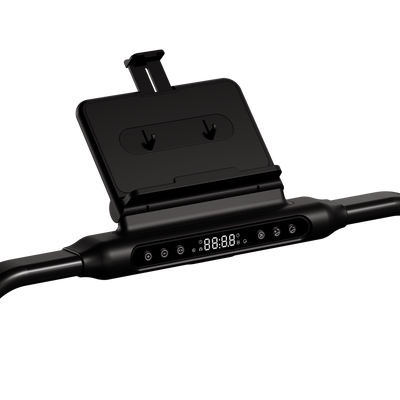
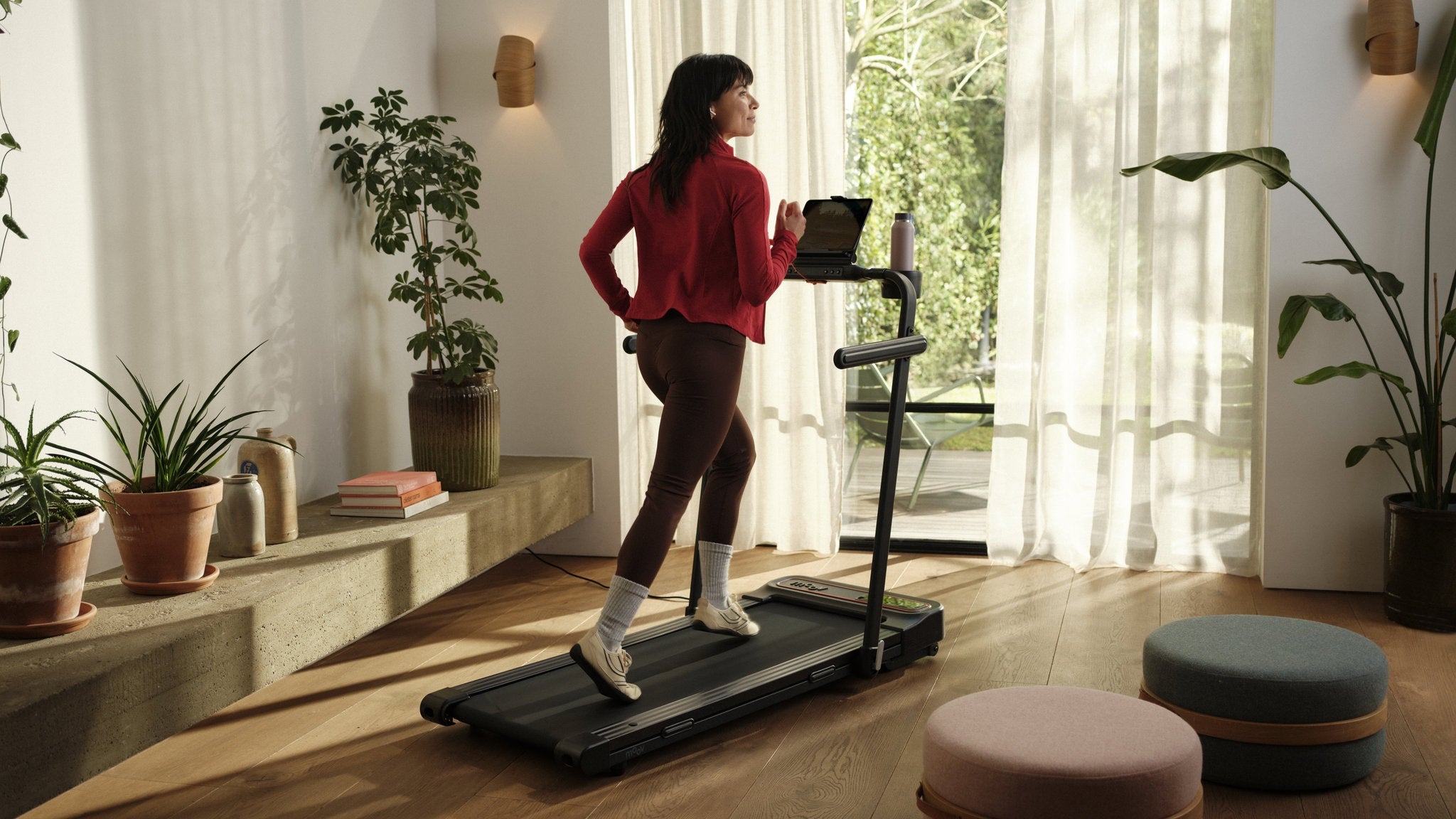
Choose comfortable shoes and a straightforward route. At home, a foldable treadmill can help you fit in a run. The Moov Run suits walking, jogging and running.
Keep extra movement light. Walking during a phone call on an under-desk treadmill can feel good, but it counts towards your total load. A rest day can simply stay restful.
Practical tips for advanced runners
Change one element at a time: duration, speed or frequency. If you want variety with treadmills with incline, keep that session short and make another session lighter. Also explore suitable treadmill accessories for your home setup.
Expert tip
Under thirty minutes means averaging slightly faster than 6 min/km. Practise short stretches around that pace first. You do not need to prove you can cover the whole distance in every session.


