


Can you already run five kilometres comfortably and want more focused training? This plan combines easy kilometres with pace work, leaving room to recover and maintain your own rhythm.
In short
- This example is for runners who already train three times a week.
- Use your current 5 km time to choose your paces.
- Plan one focused harder session alongside easy runs.
- Six weeks provides structure, not a guarantee of a particular finishing time.
Why use an advanced running plan?
When every run is the same, it becomes harder to change something deliberately. An advanced running plan gives different sessions their own purpose. An easy session builds endurance, while a controlled pace block practises a higher effort.
That does not mean running harder every session. The difference between easy and harder days makes your schedule clear. You can see when a stimulus fits and when recovery takes priority.
Choose a goal close enough to your current level. A plan for 5 km in 25 minutes is not automatically suitable if you currently need forty minutes.
What does advanced training look like?
A week might include an easy run, an interval or tempo session and a slightly longer easy run. Leave at least one day without running between sessions.
During easy running, you can speak in sentences. Brisk means a controlled effort with something left in reserve. It is not a sprint. A warm-up with easy jogging and a gradual cool-down are part of the session.
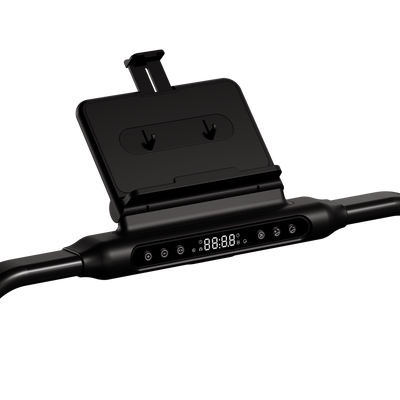
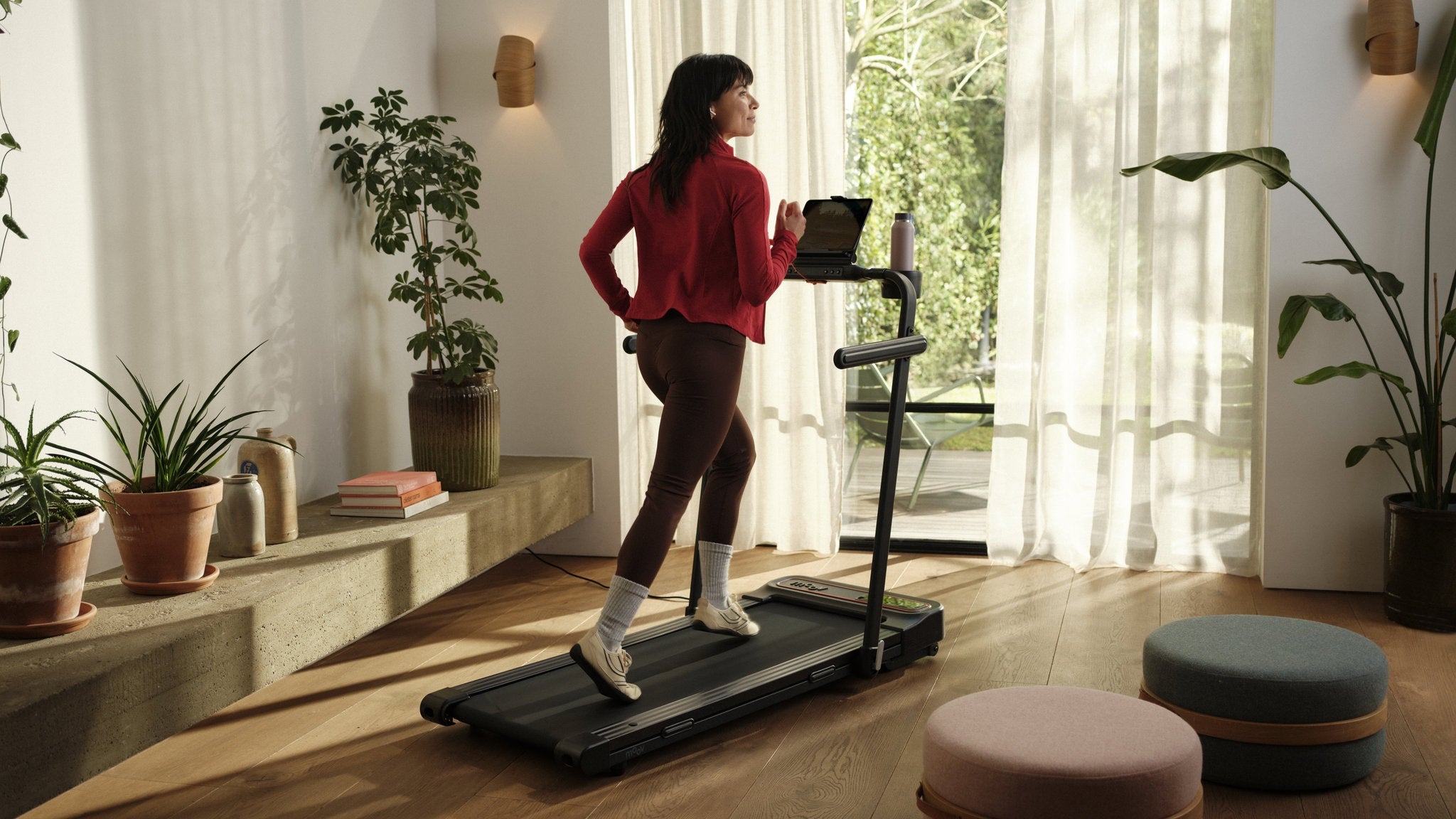
At home, the Moov Run can support consistent paces. Before faster intervals, check whether its top speed is sufficient. Running outdoors or using another machine may suit you better if you want to go faster.
5 km advanced running plan (6 weeks)
This example suits someone who runs 5 km in around 26–28 minutes, already trains three times a week and handles that load well. The blocks aim for around 5 min/km, only if that feels controlled.
Add ten minutes of warming up and five minutes of cooling down to session 2. Jog or walk for two minutes between brisk blocks. Sessions 1 and 3 stay easy; the final 5 km replaces the longer run.
|
Week |
Session 1 |
Session 2: main set |
Session 3 |
|
1 |
30 min easy |
6 × 2 min brisk |
6 km easy |
|
2 |
30 min easy |
5 × 3 min brisk |
6 km easy |
|
3 |
25 min easy |
4 × 2 min brisk |
5 km easy |
|
4 |
30 min easy |
4 × 4 min brisk |
7 km easy |
|
5 |
25 min easy |
3 × 5 min brisk |
6 km easy |
|
6 |
20 min easy |
3 × 2 min brisk |
5 km test, if recovered |
Getting faster over 5 km: the key sessions
Interval training divides faster running into manageable blocks. Recoveries help you keep technique and effort controlled. Read more about treadmill interval training if you want variety indoors.
Tempo work consists of longer, controlled efforts. It does not need to be added on top of interval training in the same week. Alternate training types according to your experience and recovery.
Easy runs remain the foundation of this example. If you want to add hills, explore treadmills with incline. Reduce the pace and replace an existing hard session. More incline adds load.
Common mistakes
Running every session as a test makes recovery harder. Adding heavy strength training, a hill session and intervals can also make the week more demanding than intended.
Plan ahead which session needs the most attention. The others can stay simple. A foldable treadmill may help with practical planning, but it does not remove the need for rest.
Nutrition, rest and recovery
Eat enough and with variety, drink according to the conditions and protect your sleep. Do not try a new eating routine just before a test run. Consistently eating too little leaves less capacity to handle training demands.
Gentle walking can feel good between running days. With under-desk treadmills, you can do that while working, but keep it light and stop when your legs need rest instead. Check suitable treadmill accessories for home use too.


