

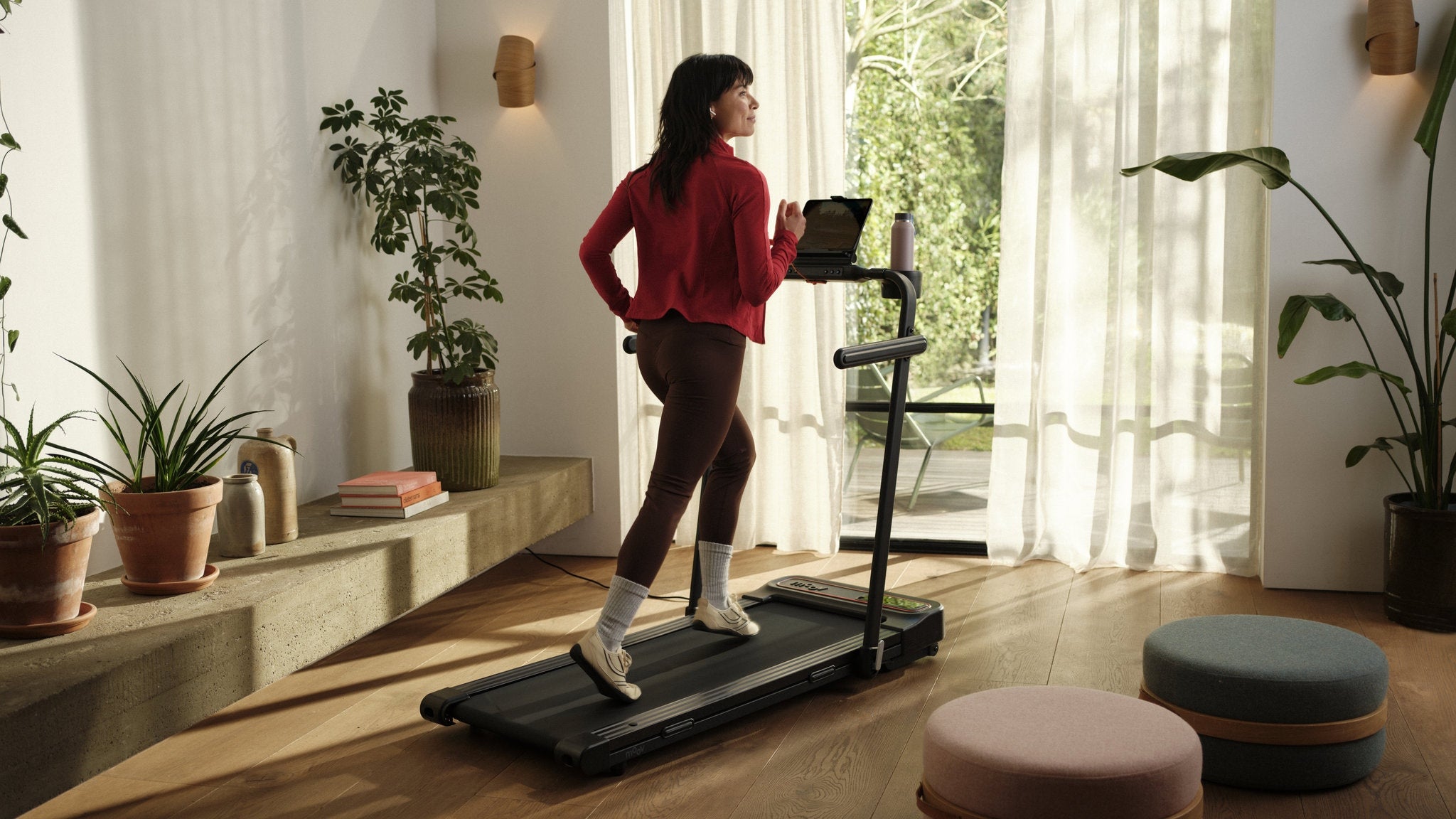
Want to get the most out of moving indoors? Whether you’re starting to run or want to improve your fitness, the right approach can help you make good use of your treadmill. In this article, you’ll find practical tips and specific running plans you can use straight away.
In short
In this article, you’ll discover:
- Why running on a treadmill can be practical, especially when you’re short on time or it’s raining outside.
- How to get started, what to pay attention to and how to keep going.
- Effective running plans: from beginner to more advanced, including a plan for calorie burn.
- Tips to help prevent injuries and keep your training comfortable.
With this approach, you can build a running routine step by step.
Why run on a treadmill?
Running on a treadmill has its own advantages:
- Always available: You don’t have to wait for good weather or daylight.
- Safe & predictable: No unexpected potholes or traffic.
- Suitable for building up gradually: You set your own pace and build up step by step.
- Consistent pace control: Keep track of your speed, cadence and distance.
- Suitable for interval training: Easily switch between different paces without stopping.
Whether you want to lose weight, improve your fitness or simply move more, a treadmill makes it easier to move from home.
How do you start running on a treadmill?
Before you begin:
- Warm-up: Start with 5 minutes of brisk walking or light jogging.
- Cool-down: Finish with 5 minutes of easy walking and stretch afterwards.
- Know your paces:
- Walking pace: 4–6 km/h
- Jogging pace: 6–8 km/h
- Running pace: from 8 km/h, depending on your level.
Repetition helps: For example, train three times a week for 20 minutes instead of once for 60 minutes. This gives your body time to adjust.
According to a meta-analysis in the British Journal of Sports Medicine, running was associated with a lower risk of cardiovascular mortality, among other outcomes.
Treadmill running plans
Below you’ll find three plans. Choose the one that suits your level and goal.
5 km running plan (slightly more advanced – 3 weeks)
Can you already jog 2–3 km without stopping? Then this is a plan to continue working on endurance and speed.
|
Week |
Day 1 |
Day 2 |
Day 3 |
|
1 |
3 km endurance run |
2 km tempo run |
4 km intervals |
|
2 |
3.5 km endurance run |
2 km intervals |
4.5 km tempo run |
|
3 |
5 km jogging |
2 km intervals |
5 km easy run |
Interval plan for fitness & calorie burn
Interval training alternates more intensive effort with calmer recovery periods. Choose your level:
Beginners
- 1 min running / 2 min walking × 6
Intermediate
- 2 min running / 1.5 min walking × 6
Advanced
- 3 min running / 1 min walking × 6
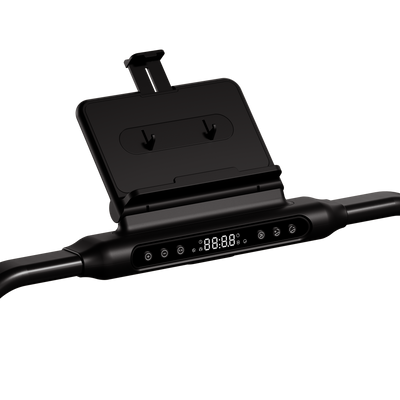
Try these plans on the Moov Run Plus if you want to combine running with automatic incline.
Tips for successful treadmill running
- Keep your back straight and look ahead.
- Use your arms actively: this helps your rhythm.
- Start slowly – you don’t need to push your pace straight away.
- Alternate endurance runs and interval training for balance.
- Pay attention to your shoes: suitable footwear provides support while running.
How do you keep up a running plan?
A routine doesn’t have to be perfect to last.
- Plan your training on fixed days.
- Keep your treadmill visible at home or in a place where it’s ready to use, so you don’t have to move it first.
- Build up gradually.
- Track your progress with an app or journal.
- Move together with someone if that helps you come back regularly.


