

A running plan gives your week direction. Whether you are starting out or want to run further, choose a plan that suits your current level, your recovery and your schedule.
In short
- Choose a plan based on what you can do now, not just your end goal.
- Spread easy sessions, any faster work and recovery across the week.
- Repeat or shorten sessions when your body needs it.
- You do not need to catch up on a missed session.
Why run with a training plan?
When you start without a plan, every session can soon look the same. You run the same route or try to go a little faster each time. A running plan helps you make deliberate choices.
The plan also makes the space between sessions visible. That is useful when combining work, family and other sports. You know which session needs more time and which you can keep short.
A plan is not a judgement of your effort. It is a tool that can change with your week.
The benefits of a running plan
You gain an overview of distance, duration and frequency. This lets you look back at which loads felt good and when you needed more recovery. Alongside kilometres, note your sleep, fatigue and any symptoms.
A progressive plan also helps break running into small steps. The goal is further ahead, but the next session stays manageable. That makes starting concrete and returning easier.
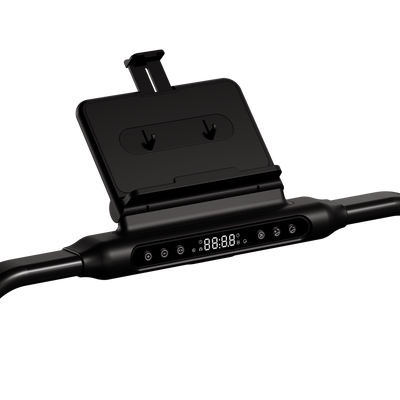
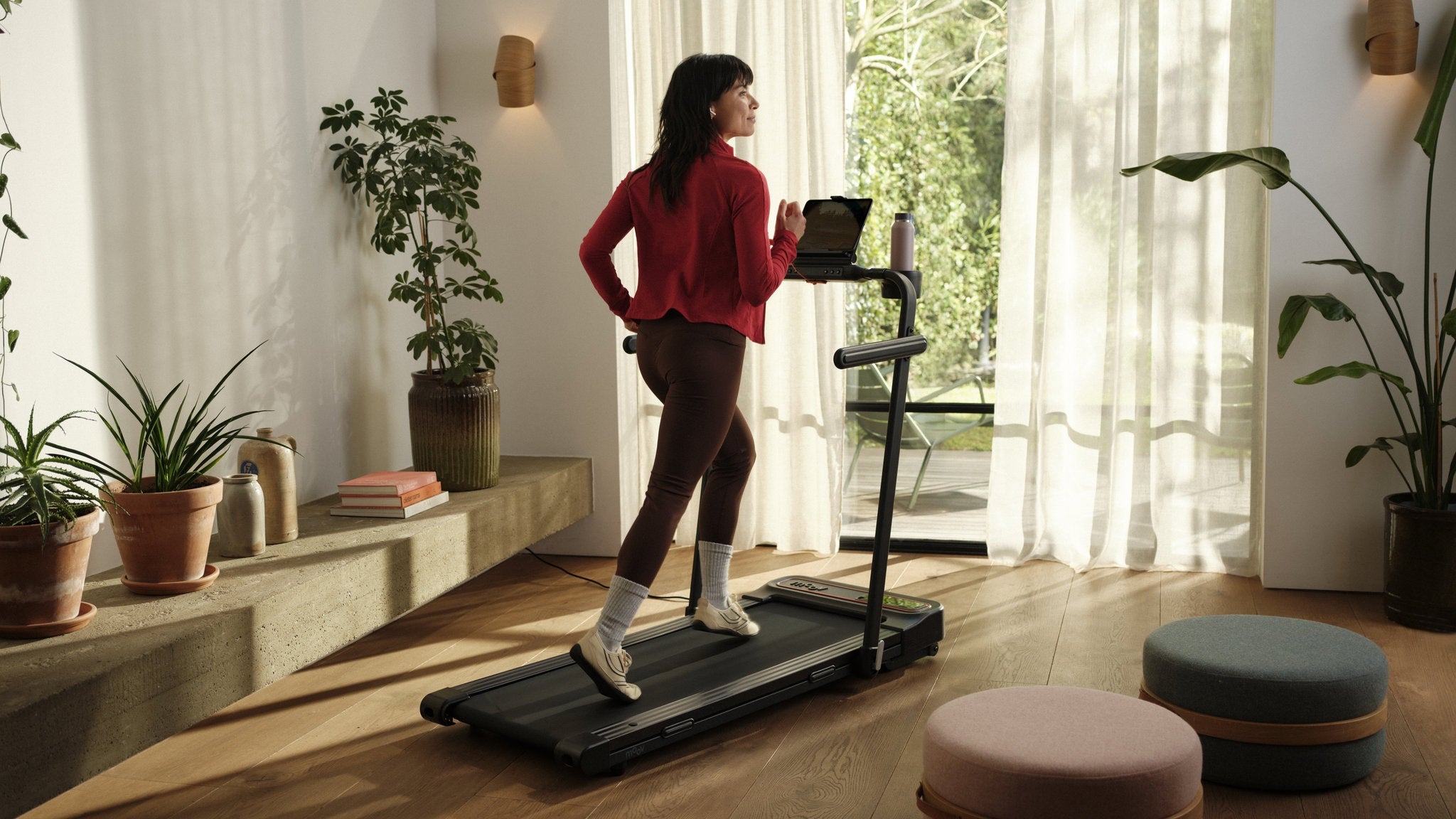
Want to train at home when an outdoor run does not fit? Foldable treadmills can combine a regular training spot with living space. Check that the equipment suits your stride, pace and available room.
Running plans for every runner
Look at your starting point first. If you cannot yet walk comfortably, begin there. If you already run regularly, choose a distance that fits your recent training.
5 km running plan
For beginners, a 5 km running plan starts with walking and jogging. The first aim is to move comfortably for longer. Distance becomes more important later.
Can you run for thirty minutes after building up, but not yet five kilometres? You have still built a base. Gradually extend the duration from there.
10 km running plan
The 10 km running plan starts from a comfortable 5 km. You mainly develop easy endurance, keeping shorter sessions alongside the long run.
Training for ten kilometres does not mean running ten kilometres every time. Combining different session lengths makes the week more manageable.
15 km running plan
With the 15 km running plan, you build on an existing base. Choose two or three sessions and leave enough room for the longer run.
Pay attention not only to the session itself, but also to the following day. Falling behind on recovery is a reason to postpone the next step.
Half marathon
The half marathon training plan requires a solid running base. Twelve weeks of preparation does not mean you should go from zero to 21.1 km.
Practise the practical side too: a comfortable time of day, familiar shoes and drinking during longer sessions. This helps you learn what works for you.
Full marathon
The marathon training plan is a next step for experienced runners. Longer runs demand more time and recovery, including outside training hours.
Assess beforehand whether the preparation fits your life. Choosing a shorter distance can actually help you maintain a routine.
Common mistakes when following a plan
Using a plan for a different starting level, catching up on missed kilometres and running every session fast can increase the load unnecessarily. Extra sport and long working days also affect recovery.
Move a session or repeat a week when needed. A fixed percentage increase is no guarantee against overload. Keep assessing how training affects you.
Tips for beginners
Plan two or three manageable sessions, take walking breaks and put comfort ahead of pace. The Moov Run is designed for walking, jogging and running if you want to build up indoors too.
If you also want to sit less, under-desk treadmills can make room for gentle steps. Keep work and walking manageable, and see this movement as an addition, not a compulsory recovery programme.
Tips for advanced runners
First choose what you want to develop: running for longer, running more evenly or covering a distance faster. Then add a targeted training stimulus.
Treadmills with incline let you vary your sessions, but incline increases the effort. Keep speed and duration appropriate. Check treadmill accessories and the maintenance of your home setup too.
Expert tip
Plan a shorter version of your session in advance. When the day gets busy, you can deliberately shorten it rather than rush to complete the full plan.


