

Moving more starts with what you can manage today. Short, achievable sessions and enough recovery help you build fitness without your whole week suddenly having to revolve around training.
In short
- Start with a duration and pace that suit your current fitness.
- Gradually extend your movement sessions before adding intensity.
- Repeat a week if the next step is too large.
- Discuss unusual breathlessness, persistent pain or recovery problems with a doctor.
Why building fitness matters
Fitness includes how long you can sustain an effort. You notice it in everyday situations: climbing stairs, cycling to an appointment or walking for longer.
Regular movement can help you manage those efforts more comfortably. How quickly that changes varies between people. Your starting level, health, sleep and amount of movement all play a part.
A useful goal is therefore specific and close at hand. For example, walking comfortably for ten minutes or needing fewer breaks on your usual route. That keeps the focus on your own progress.
How do you build fitness without overloading yourself?
Choose an easy activity first, such as walking or cycling. Start with a session you expect to finish in control. Also notice how you feel later that day and the following morning.
Increase one element at a time. For example, make a walk slightly longer while keeping the pace the same. Wait to add speed or incline until current sessions feel familiar. No fixed percentage rule guarantees safe progression for everyone.
A treadmill with incline lets you add variety later, but a flat walk is a good start. Incline does not have to be a standard part of a beginner plan.
Start gradually and finish gently. This helps you move from rest to activity and back again; it does not guarantee protection against muscle soreness or injury.
Building fitness from a very low starting point
If your fitness feels very low, five minutes of walking may be an appropriate first session. Split movement into several short moments if needed. You do not need to be able to walk for half an hour before you start.
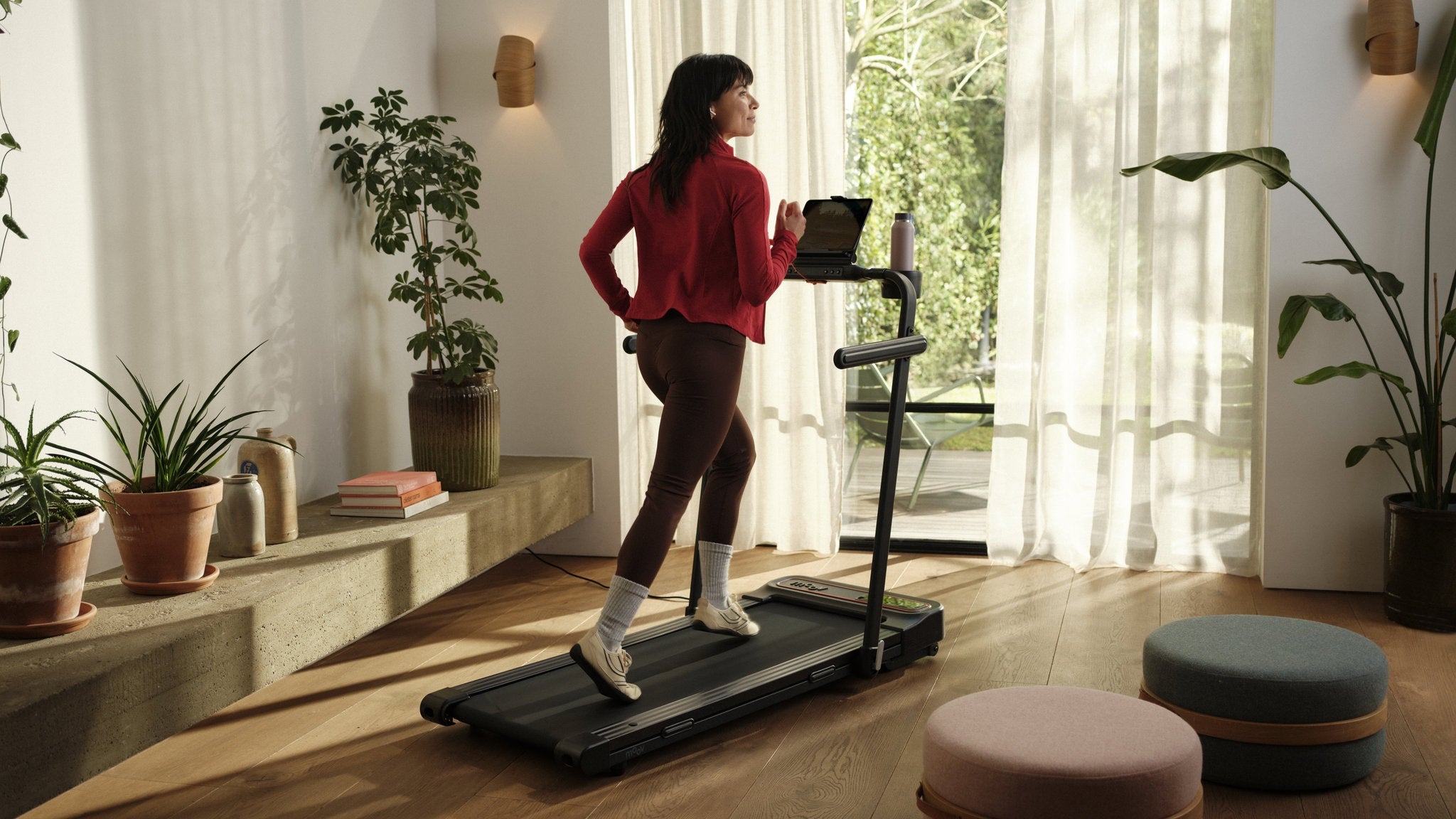
Choose a pace that still lets you talk. If you tire quickly, make the next session shorter. Repeat what you can manage before extending it. A Moov Walk can make walking at home accessible when the equipment and controls suit you.
Has your fitness declined unexpectedly, or are you unusually breathless with light effort? Have it assessed. Do not automatically put these signs down to a lack of training. After illness, surgery or with a medical condition, you may need an individual progression plan.
Common mistakes (and how to avoid them)
Changing too much at once makes it hard to understand what your body is responding to. More minutes, more days and faster movement make a bigger step than one adjustment.
Another trap is comparing yourself with what you used to do. Start from your current situation. A gentle week can also be part of progress.
Finally, missing a session can create pressure to train for extra time. Instead, return to your usual schedule. Movement does not have to become a backlog to work through.
Building fitness: a beginner plan (6–8 weeks)
This example is for adults without symptoms who can walk comfortably for ten minutes. If you cannot yet do that, start shorter. The schedule is not a rehabilitation plan.
All sessions are gentle walks, with a gradual start and finish within the time shown. Spread the sessions across the week and take extra rest when needed.
|
Week |
Frequency |
Duration per session |
Focus |
|
1 |
3 times |
10 minutes |
Get used to it gently |
|
2 |
3 times |
10–12 minutes |
Repeat what feels comfortable |
|
3 |
3 times |
12–15 minutes |
Increase duration only |
|
4 |
3 times |
12–15 minutes |
Consolidate |
|
5 |
3 times |
15–20 minutes |
Check recovery |
|
6 |
3 times |
20 minutes |
Keep an easy pace |
|
7 |
3 times |
20–25 minutes |
Extend only with good recovery |
|
8 |
3 times |
25–30 minutes |
Then choose a suitable next step |
Practical tips to build fitness faster but safely
A workable routine provides more structure than rushing. Link movement to something that already happens, such as after lunch or before dinner. Lay out your shoes and choose a route without complicated preparation.
If you want to walk indoors and pack away afterwards, explore foldable treadmills. For short walks while working, there are under-desk treadmills. Start at a low speed and assess whether working and walking feel comfortable together.
After each week, note what feels easier. You may recover faster or find the same route less demanding. Those are useful signs, even before you add minutes. Suitable treadmill accessories can complement your setup, but do not replace an appropriate progression.
Expert tip
Occasionally use the same short route as a reference point. Look at effort and recovery, not only speed. That lets you notice change without taking a harder test every time.


