

Running does not have to be fast to fit into your day. Slow running means choosing an easy pace, short sessions and room to get used to the movement.
In short
- Slow running means running gently at an effort that is low for you.
- Your breathing and how you feel matter more than a fixed speed.
- Alternate jogging with walking if that feels more comfortable.
- Easy running still places demands on you: give yourself time to build up.
What is slow running?
Slow running means running without speed being the aim of the session. You deliberately keep the effort controlled so you can sustain movement for longer or gradually get used to running.
The term slow jogging often describes a similar approach. There is no universal pace that is slow for everyone. For one person, 7 km/h feels relaxed; for another, that speed is already demanding.
You do not need to force a particular breathing pattern either. Breathe in a way that feels comfortable. If you can no longer speak in full sentences, slow down or walk for a while. That is a better guide than trying to stay within an arbitrary speed range.
The benefits of slow running
An easy approach makes the first session manageable. You can start small, stay close to home and repeat the same session next time. That reduces the practical barrier to returning.
Slow running can also help distinguish easy training days from hard ones. Experienced runners do not need a pace goal in every session. For beginners, it can be a way to gradually move continuously for longer.
Easy running does not guarantee protection against injury and is not automatically suitable during rehabilitation. Symptoms or recovery after an injury call for an individual plan.
Slow running vs. running
Slow running is itself a form of running. The difference lies in the chosen effort, not a separate sports category. An experienced runner can also deliberately run slowly.
|
Aspect |
Slow running |
Faster running session |
|
Focus |
Easy movement and duration |
For example, tempo or intervals |
|
Effort |
Controlled, relatively low |
Higher during targeted blocks |
|
Pace |
Individual and adjustable |
Matched to level and goal |
|
Recovery |
Still needed |
Often more recovery needed |
Slow running plan (8 weeks)
This example is for someone who can comfortably walk for around thirty minutes. The aim is to get used to running gently, not to reach a fixed distance within eight weeks.
Plan two or three sessions a week, with a day without running between them. J means easy jogging and W means walking. Walk for five minutes before and after the main session. Repeat the session shown on your running days.
|
Aspect |
Slow running |
|
1 |
6 × (1 min J + 2 min W) |
|
2 |
6 × (1.5 min J + 2 min W) |
|
3 |
5 × (2 min J + 2 min W) |
|
4 |
Repeat week 3 |
|
5 |
4 × (4 min J + 2 min W) |
|
6 |
3 × (6 min J + 2 min W) |
|
7 |
2 × (10 min J + 2 min W) |
|
8 |
20–25 min J, with walking breaks if needed |
The slow jogging plan can take longer. If a week feels hard or causes symptoms, take more recovery or return to shorter blocks. Discuss persistent symptoms with a professional.
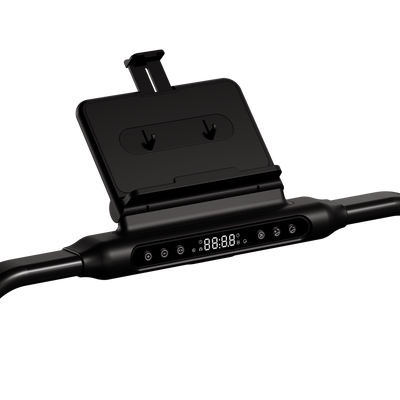
The Moov Walk is designed for walking and light jogging up to 8 km/h. If you also want to run faster, explore the Moov Run. Choose according to your use and stride, not just the top speed.
Tips for starting slow running
Start with a short, straightforward route and wear shoes you find comfortable. Keep your shoulders relaxed and avoid exaggerated strides. You do not need to change your running style all at once.
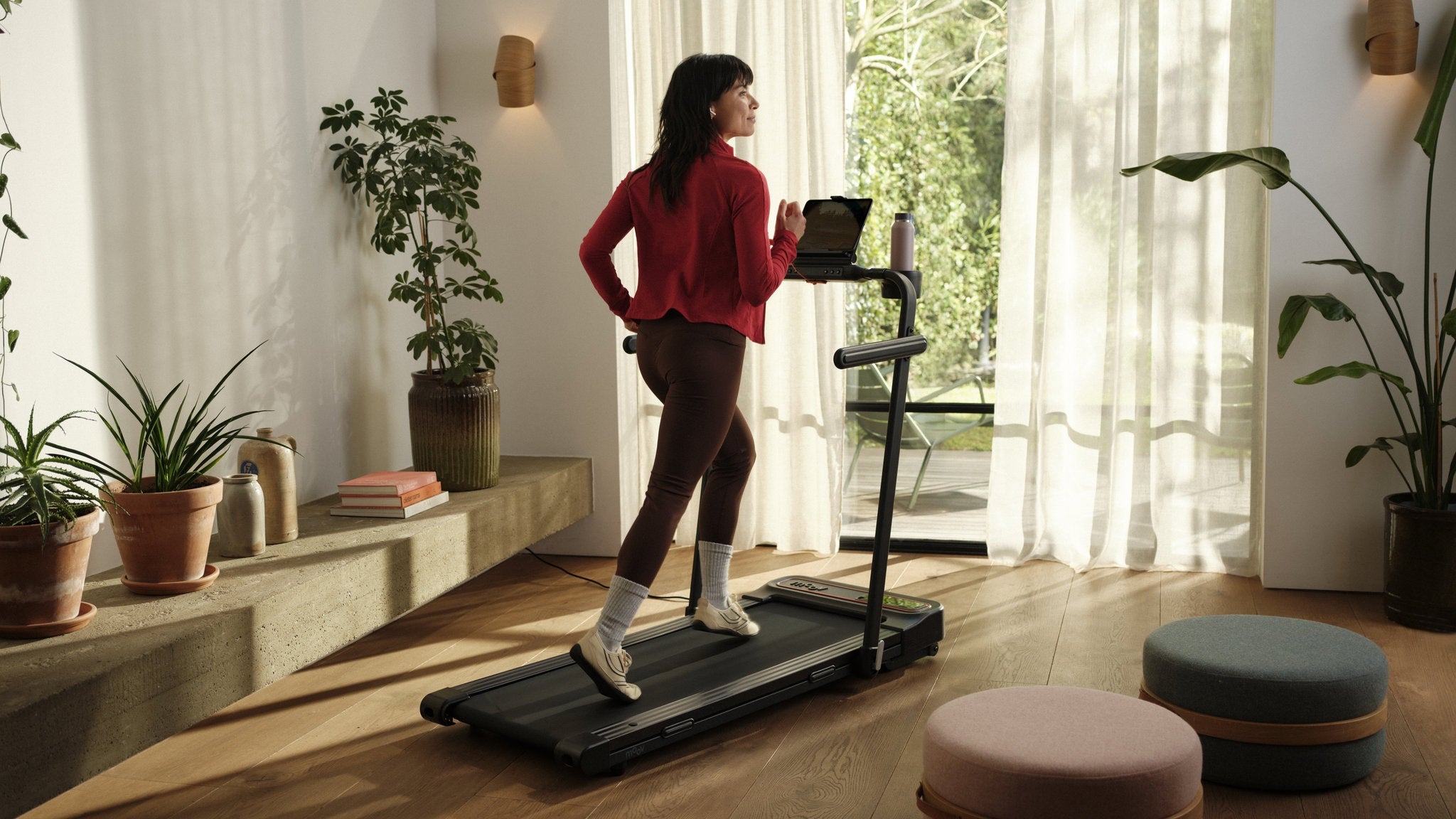
Make your next run specific: for example, after work on Tuesday. When an outdoor run does not fit, a foldable treadmill can offer an indoor option. Check the clearance and use the safety features according to the manual.
Explore suitable treadmill accessories if you want to add to your home setup. More equipment is not a requirement for starting.
Slow running pace: what is ideal?
The ideal slow running pace is the pace that matches your easy effort. It can change from day to day. You do not need to reach the same speed in every session.
The CDC talk test uses speaking as an indication of effort. Use it as a practical check alongside how you feel. A watch can help, but a fixed heart-rate zone is not a definitive prescription without individual context.
Expert tip
Start slower than you would naturally choose and check your breathing after a few minutes. If it still feels hard, walk. Finding the right intensity is part of training.
Slow running for advanced runners
Experienced runners can use easy sessions between harder workouts. Keep the purpose clear: an easy day does not need to become a disguised tempo session.
If you want variety with treadmills with incline, remember that incline increases effort. Adjust speed and duration accordingly. On a recovery day, simply walking may suit you better.
Taking steps while working on an under-desk treadmill is another option. Walking while working requires a different speed and attention from a focused jogging session.


